
Boredom or Excitement!
1. Boredom & Sensory Deprivation
As advocates for lively main streets Save Our Historic Main Streets Inc. are enthusiasts for the rich confusion of detail, colour, and texture, and the mad scramble of random improvisations and modifications of traditional architecture that are usually found along our historic main streets, even when they are slightly run down.
Lively main streets almost always have this rich character, which sometimes includes high-quality compatible newer buildings.
Streets with No Game: Boring cityscapes increase sadness, addiction and disease-related stress. Is urban design a matter of public health? by Colin Ellard, Canadian cognitive neuroscientist
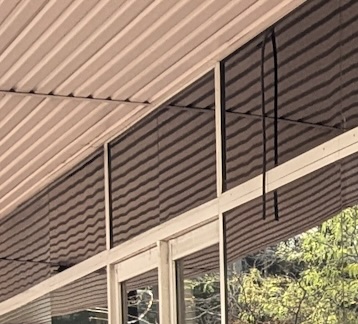
Some of these contrasts are illustrated below, with newer architectural details on the left and gritty heritage details on the right.
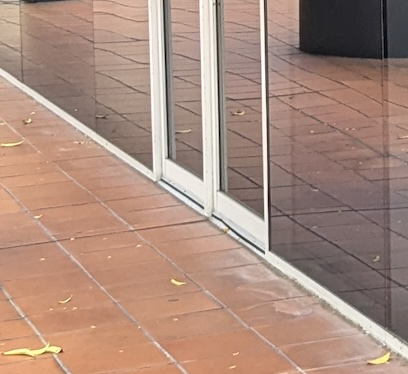

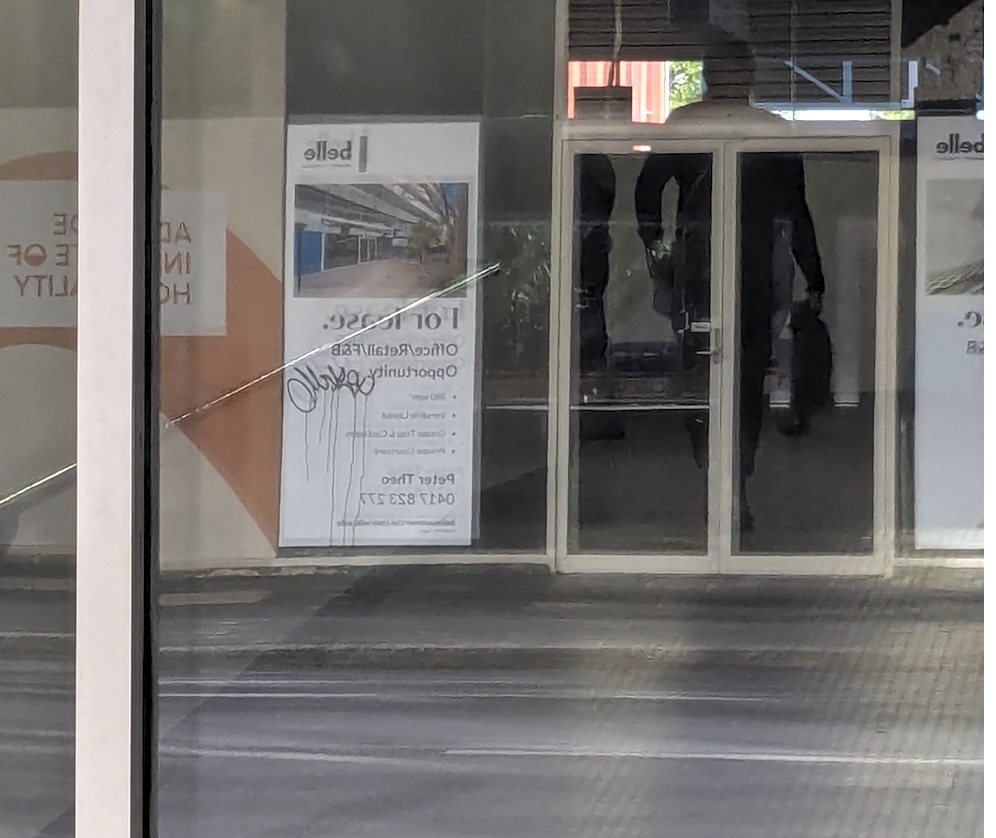
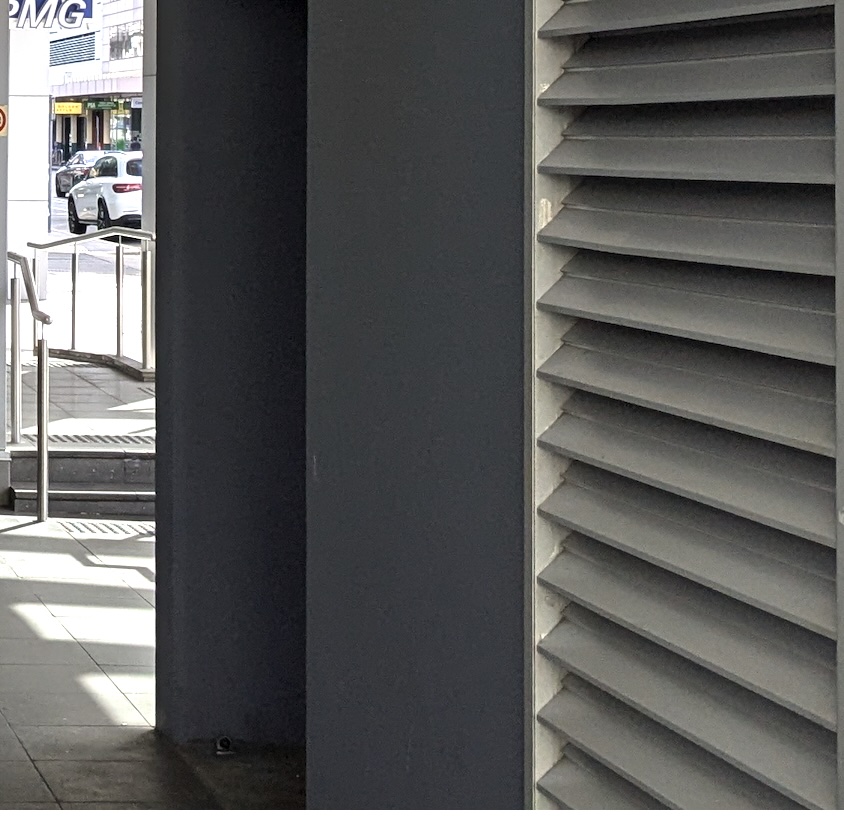


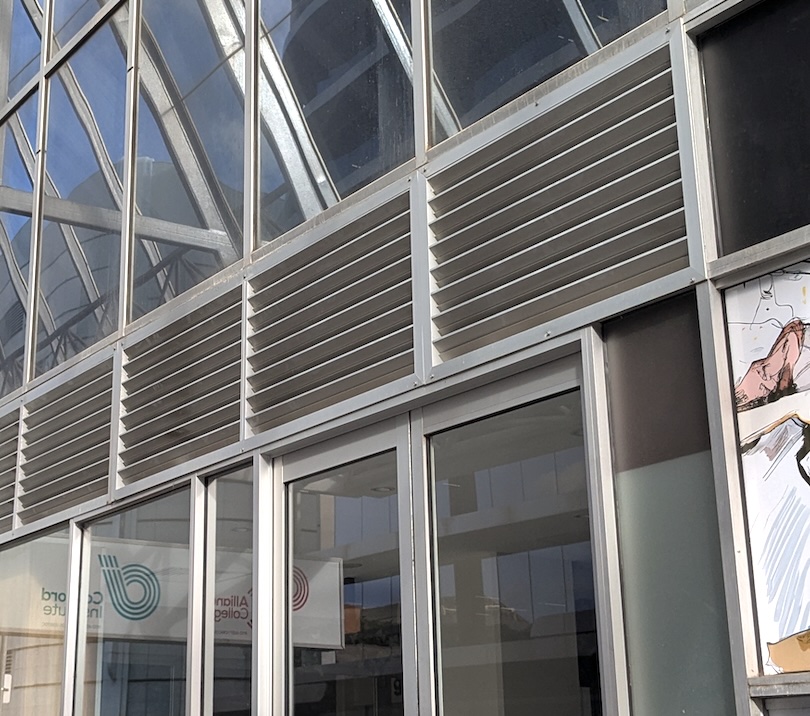

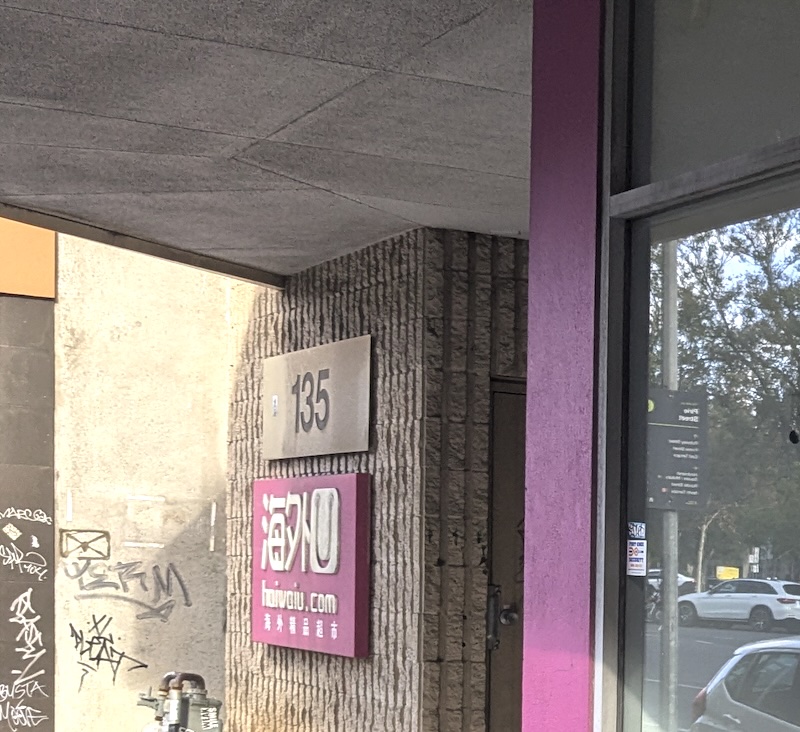
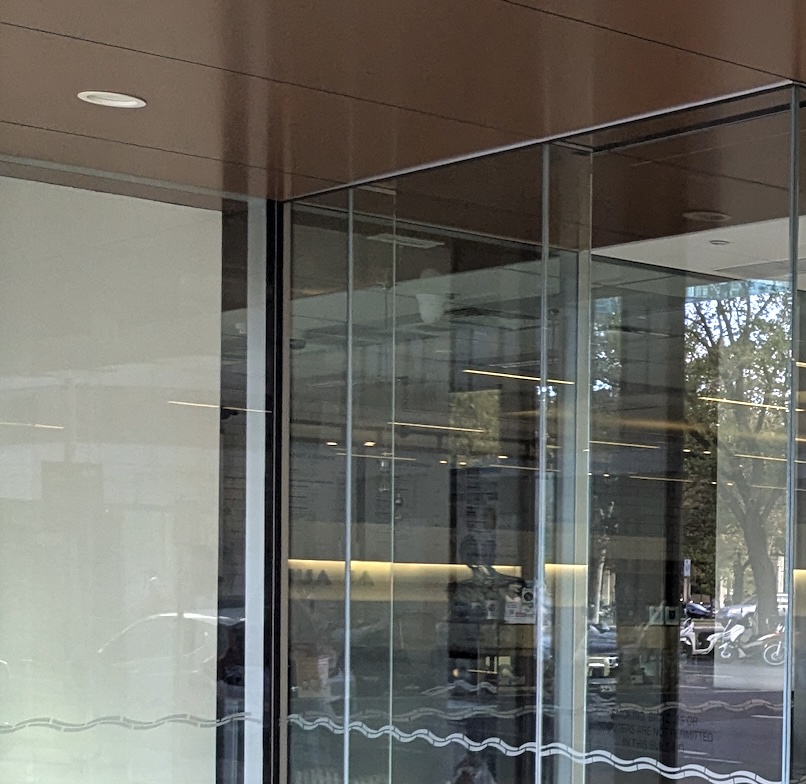
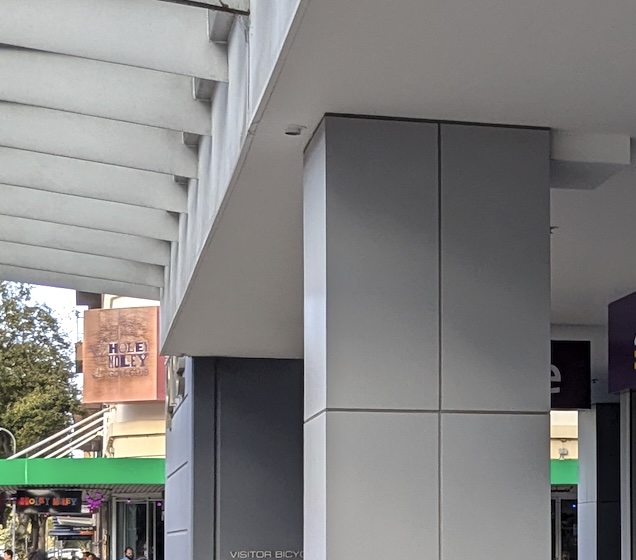

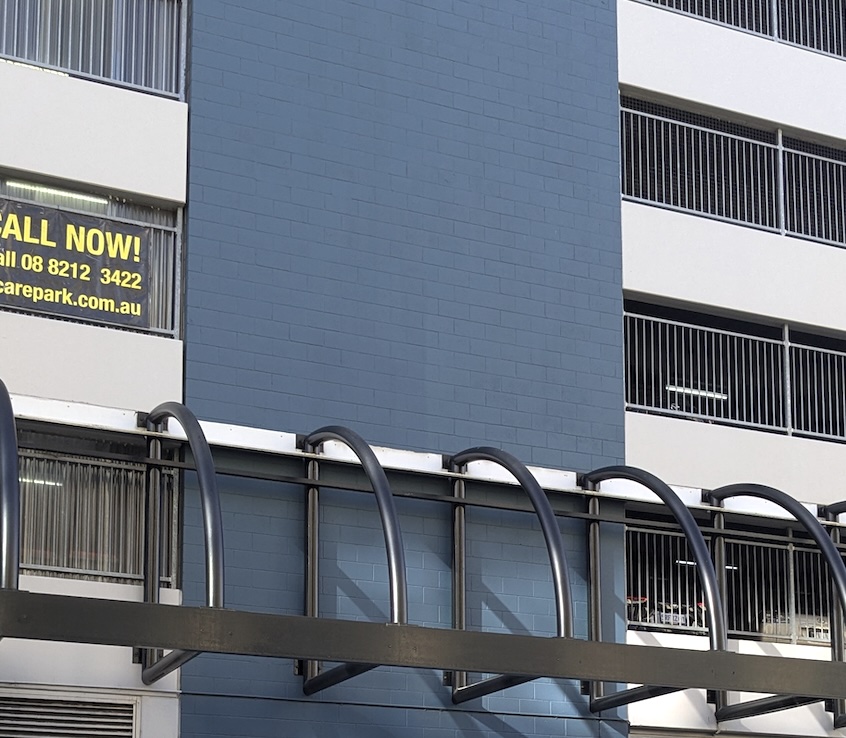


Danish Urbanist Jan Gehl made observations around people’s walking speeds in different urban settings and found they walked more slowly and paused more in the more diverse environments created by traditional architecture.
This article, Multi-sensory evaluation of urban design in creating obesity encouraging environments looks at research between obesity and urban planning:
High-rise buildings, uncommon in successful European cities, have their place in Australian cities but rarely in main streets because main streets rely on friendly scale, sunlight, open space, and rich traditional texture to continue to attract. High rise can kill this off this vitality, social and economic, with overshadowing and monotonous materials.
Some of the qualities of modern urban settings that can create sensory deprivation are:
- Minimalism: In spite of being a reputable and often desirable style of design an emphasis on clean lines and open spaces can create environments that feel stark and uninviting.
- Uniform Materials: Use of similar materials and finishes can lead to a monotonous aesthetic, reducing visual interest and tactile engagement.
- Lack of Sunlight can lead to a disconnection from natural rhythms and a negative impact on mood.
- Connection to Nature: Lack of biophilic design elements may hinder sensory interactions with nature
2. Sensory Stimulation


On the other hand, smart urban planning can enhance sensory stimulation.
- Mixing residential, commercial, and recreational spaces encourages interaction and provides varied sensory experiences.
- A Walkability focus: Pedestrian-friendly malls, pavements and road crossings promote movement and exploration.
- Public Spaces: parks, plazas, and gathering areas foster social interaction and sensory engagement – sight, sound, and smell!
- Greening and water features, provide visual appeal and natural sound.
- Texture: a mix of building materials and tactile surfaces enriches the sensory experience .
- Incorporating public art and local cultural features offers visual interest and aids community identity.
- Designing buildings with windows, balconies, and entrances that engage the street enhances visual and social connectivity.
- Well designed lighting– creates ambience, visual highlights, and improves safety.